
THE EV CHARGING REVOLUTION IS COMING TO KENYA
Will Your Property Be Ready or Left Behind?
Kenya is standing at the edge of a transportation revolution, and it is happening faster than many facilities, apartments, and institutions realize. Electric Vehicles (EVs) are no longer a distant global concept they are entering Kenyan roads, attracting government backing, investor attention, and growing consumer demand.
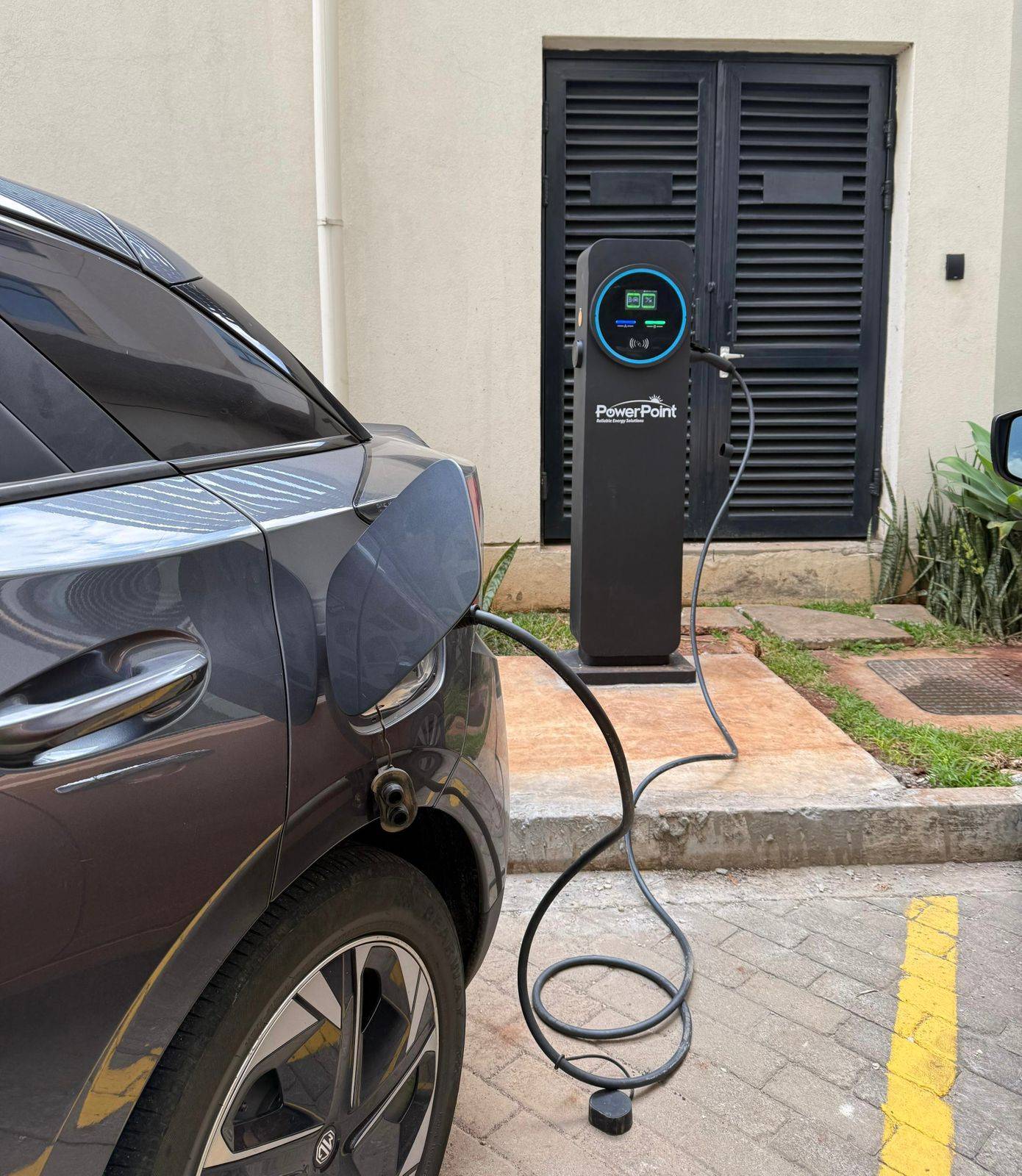
With new government policy requiring parking facilities to incorporate EV charging infrastructure, one thing is becoming clear: properties without EV chargers will soon feel outdated, inconvenient, and less competitive.
The real question property owners and institutions must ask themselves is simple, Are you preparing for the future, or waiting to catch up when it is already too late?
________________________________________
The Silent Shift Is Already Happening
Across Nairobi and other major urban centers, businesses, fleet operators, ride-hailing companies, and environmentally conscious consumers are rapidly transitioning toward electric mobility. Major vehicle distributors are introducing EV models, charging network providers are expanding infrastructure, and sustainability regulations are strengthening.
Tenants, residents, employees, and customers are beginning to expect EV charging the same way they expect internet connectivity, security systems, and reliable utilities.
Soon, choosing a property without EV charging will feel like renting an office without electricity or moving into an apartment without water supply. It will simply not be an option.
Facilities that install EV chargers today are positioning themselves as modern, premium, and future-ready. Those who delay risk becoming irrelevant in a market that is moving forward at full speed.
________________________________________
________________________________________
Early Movers Are Already Winning the Market
History consistently shows that infrastructure pioneers dominate emerging industries. In Kenya, properties that were first to introduce fiber internet, smart security systems, and solar energy solutions gained long-term competitive advantages. EV charging infrastructure is following the exact same pattern.
Properties equipped with EV charging are already experiencing:
• Higher tenant demand
• Stronger brand perception
• Increased property valuation
• Higher retention of premium clients
• Greater attractiveness to international investors and sustainability-focused organizations
Forward-thinking developers and institutions are not waiting for EV adoption to become universal. They are preparing before demand peaks, ensuring they become the preferred choice when EV ownership explodes.
________________________________________
The Cost of Waiting Will Be Much Higher Than Acting Now
Many property owners underestimate how quickly regulatory compliance timelines tighten once government policy is introduced. Retrofitting EV charging infrastructure after buildings are completed can be significantly more expensive and technically complex.
Facilities that act early benefit from:
• Lower installation costs during development or renovation
• Easier integration with electrical and energy management systems
• Better infrastructure planning and charger placement
• Stronger negotiation power with EV charging providers
• Early access to government incentives and partnerships
Those who postpone implementation may soon face rushed compliance upgrades, expensive electrical expansions, and potential tenant dissatisfaction.
________________________________________
EV Charging Is Not Just Compliance — It Is a New Income Stream
Parking spaces are transforming from static infrastructure into revenue-generating assets. EV charging stations open multiple income opportunities including pay-per-use charging, tenant subscription packages, fleet partnerships, and increased customer dwell time for retail and commercial centers.
Properties with EV chargers are not just preparing for the future — they are monetizing it.
As EV adoption increases, charging stations will become daily-use services. Facilities that install them early will benefit from growing utilization rates while competitors struggle to catch up.
________________________________________
Sustainability Is Becoming a Business Requirement, Not a Marketing Option
Organizations across Kenya are under increasing pressure to demonstrate environmental responsibility. Corporate ESG (Environmental, Social, and Governance) standards are influencing where companies choose to locate offices, lease apartments, host conferences, and partner commercially.
Facilities offering EV charging immediately strengthen their sustainability credentials, positioning themselves as responsible, innovative, and globally aligned organizations.
Institutions such as universities, hospitals, government offices, and corporate headquarters that adopt EV infrastructure today will become recognized leaders in Kenya’s green transformation.
________________________________________
The Reputation Advantage Cannot Be Ignored
Consumers and businesses are increasingly drawn toward brands that demonstrate innovation and environmental responsibility. EV charging stations are highly visible symbols of forward-thinking infrastructure.
When clients, visitors, or tenants arrive and see EV charging stations, it communicates one powerful message:
This facility is prepared for the future.
Properties without charging infrastructure may soon send the opposite message — that they are behind technological and environmental progress.
________________________________________
The EV Wave Will Not Wait
Kenya’s strong renewable energy capacity makes EV adoption more attractive than ever. With clean electricity already powering much of the national grid, electric mobility aligns perfectly with the country’s long-term sustainability goals.
Government policies are accelerating infrastructure requirements, global automotive manufacturers are expanding EV production, and consumer awareness is rising rapidly.
The EV transition is not a possibility. It is an inevitability.
________________________________________
The Risk of Missing Out Is Real — And Growing
Facilities, apartments, and institutions that delay EV charging adoption face several long-term risks:
• Losing premium tenants and clients to better-equipped competitors
• Increased future compliance and retrofitting costs
• Reduced property relevance and market competitiveness
• Missed revenue opportunities from charging services
• Weak sustainability positioning in an increasingly green economy
Meanwhile, early adopters are securing market leadership, strengthening brand authority, and building infrastructure that will serve them for decades.
________________________________________
The Time to Move Is Now
Every major technological shift creates two groups — those who lead transformation and those who struggle to catch up later. EV charging infrastructure is becoming a defining feature of modern facilities, just like reliable electricity, internet connectivity, and security infrastructure.
Facilities, apartments, and institutions that act today will attract tomorrow’s tenants, customers, and investors. Those who hesitate risk being excluded from Kenya’s fast-evolving electric mobility ecosystem.
The EV future is not approaching.
It is already arriving.
The only question left is whether your facility will be ready when it fully arrives — or remembered as one that missed the opportunity.